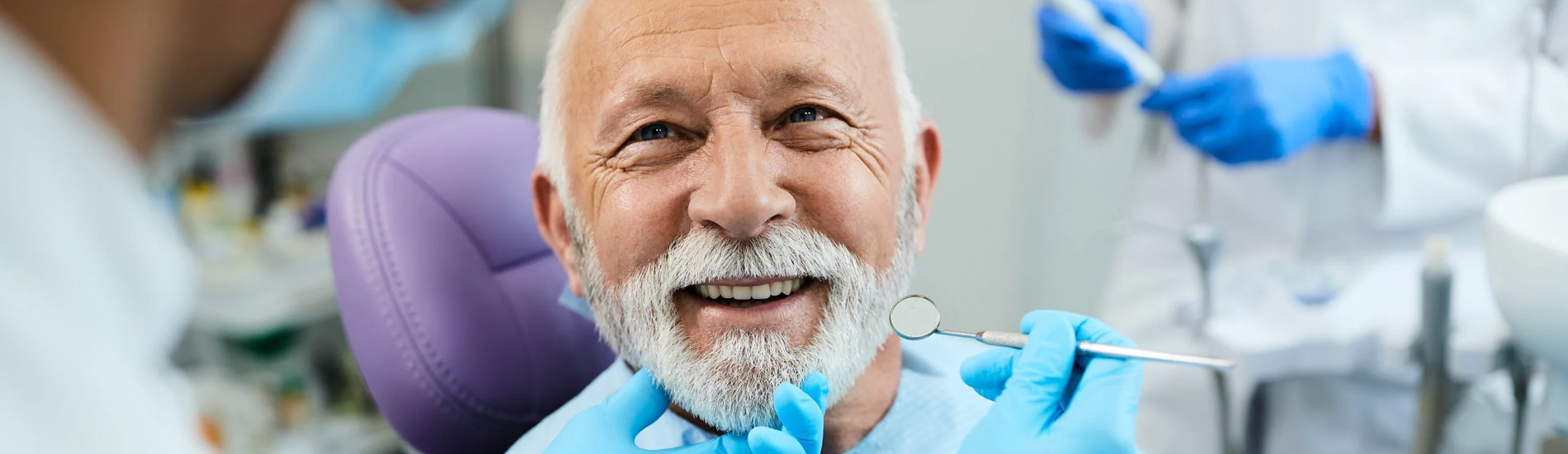

As we age, our eating, sleeping, and, yes, dental hygiene habits change. It takes a bit more to maintain a grin that has endured for decades. Saliva production decreases, gums recede, and enamel thins by retirement. Medication for diabetes or high blood pressure often exacerbates dry mouth.
Our teeth are increasingly susceptible to deterioration as we get older. Over time, enamel deteriorates, and drugs, especially those for depression, blood pressure, or allergies, may cause salivation to decrease. Cavities are more frequent when there is little saliva because it helps wash away food particles and neutralize acids. Even little cavities may spread fast, resulting in discomfort, infection, and expensive treatments. Using items designed to treat dry mouth and staying hydrated may have a significant impact.
Loss of teeth may impact more than just your smile. It affects nutrition, digestion, and speech. Many elderly people avoid certain foods typically healthful ones that need more chewing to cope with losing teeth. In addition to restoring function, replacing lost teeth with dentures, implants, or bridges also maintains face shape and self-esteem.
Early resolution of minor problems is usually less expensive and simpler. Painful, expensive issues may be avoided with preventive dentistry, which includes routine cleanings, fluoride treatments, and basic examinations. Prevention also promotes independence and improved nutrition for seniors.